Luxuries of the Communist leaders
Communist leaders typically criticised property, wealth and privilege. But when they became powerful most of them acquired these things in abundance. Many of them used their power to exploit other people ruthlessly, sometimes cruelly.  

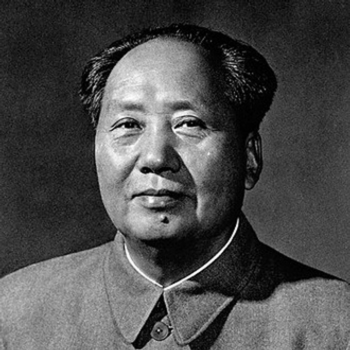
Mao Zedong 

Chairman of the Chinese Communist Party 1949-1976.

Sex:

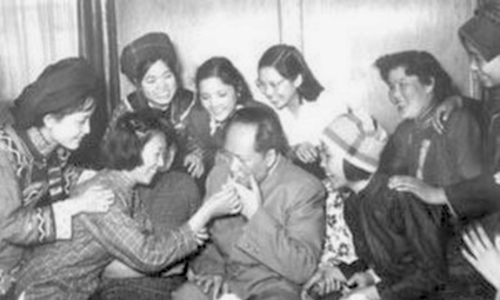
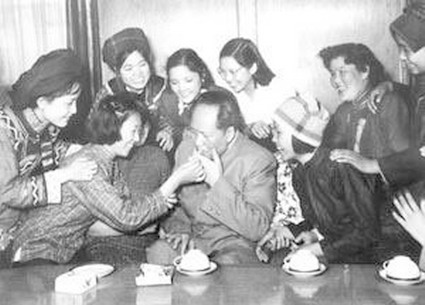
Mao used his power to obtain extreme sexual privilege. He had a harem – an array of young women who were recruited for his gratification. Members of his staff were employed to identify and procure suitable young concubines. These were often uneducated, young women drawn from the ranks of dancers, nurses and junior cadres.

His personal physician, Li Zhisui, later claimed that Mao suffered from a venereal disease, probably a form of trichomoniasis. According to Li, the infection remained largely asymptomatic in him but for women, the infection could lead to discomfort, including lower abdominal pain and painful urination. It could result in infertility if untreated. The doctor urged Mao to wash so as to reduce the chances of passing the disease onto them. Mao refused, saying, “I wash in my women”.

Mao’s sexual activity was not confined to women. According to Li Zhisui, Mao also made use of adult male attendants selected for their physical strength and appearance. Their duties included nightly massages intended to help Mao sleep, with particular attention paid to the groin area.

Mao travelled everywhere with a custom-made wooden bed “to maintain what he saw as proper posture dominance and bodily control” when having sex of a kind which delayed orgasm. He thought this would increase his lifespan.  He routinely withdrew from official duties to “rest” – to have sex – including in a private room inside the Great Hall of the People, the main government offices in Beijing.
 

Food:

Tens of millions suffered chronic food shortages during Mao’s rule. In the Great Famine (1958-1962), an estimated 36 to 46 million people died of starvation. Meanwhile, Mao ate plentiful fresh meat and rich dishes. Meals were prepared by personal chefs and supplied through protected channels, entirely separate from the national rationing system. One species of fish which he liked – Wuchang bream – was couriered alive from Wuhan, more than 1,000 kilometres away, in oxygenated containers. Mao also demanded specially processed rice. The membrane between the husk and the kernel was preserved to improve the flavour. This was a labour-intensive process requiring careful manual husking. A dedicated farm existed solely to grow and prepare rice for Mao.


Clothing:

Mao appeared in public in a “Mao-suit” – a kind of boiler suit in plain green. But underneath, he wore silk underwear. 


Housing:

Over the course of his twenty-seven-year rule, more than fifty residences were created for his use, including at least five in Beijing. Mao feared being trapped upstairs and insisted on single-storey buildings but the ceiling heights were equivalent to two or even three storeys.


Swimming pools:

Private swimming pools were another of Mao’s personal indulgences. Mao was obsessed with swimming and believed it strengthened his health and vitality. As a result, swimming pools were constructed at a number of his residences so that he could swim whenever he wished.

One such pool reportedly cost 50,000 yuan to build. This was an enormous sum at the time. During Mao’s anti-corruption campaigns, embezzling as little as 10,000 yuan could lead to execution as a so-called “Big Tiger”. Mao’s pool therefore cost five times the amount of money that could bring a death sentence.

The expense was partly due to the specialised construction required. The pool had to be large enough for Mao to swim laps and heated so that he could swim in any season. The pools were constantly maintained by staff to ensure the water remained clean. Mao’s private pools were kept ready for his use at all times.

Transport:

When Mao travelled by train, the entire railway line was cleared. No other trains were allowed to use the route at the same time. Mao travelled in specially prepared trains consisting of several carriages reserved exclusively for him and his entourage. These included a private sleeping carriage, a meeting room, a dining car and accommodation for staff and guards. The train was heavily guarded and inspected in advance. Tracks, bridges and tunnels were checked beforehand by security teams and railway workers were stationed along the line while the train passed.

Mao did not rely on only a single form of transport. For many journeys, three parallel options were prepared — train, plane and ship — and Mao would decide at the last moment which one to use. Large teams of guards, servants and aides managed the arrangements.


Hidden wealth:

Mao had a “Special Account” at the People’s Bank in Beijing. It was a private fund built up with royalties from his published works. Mao’s works were, of course, virtually compulsory for all citizens to buy.  So, by the height of his rule, the account held more than two million yuan — an extraordinary sum in a society where even privileged citizens rarely possessed savings beyond a few hundred yuan.

As background it is worth recalling that Mao launched the so-called Cultural Revolution (1966-1976) in which luxuries were considered “bourgeois” and could result in public beatings and humiliation.

Chairman Mao Zedong
Mao surrounded by young females in the Communist Youth League, 1957.

Joseph Stalin

Communist ruler of the Soviet Union 1924-1953.

Dachas and other homes:

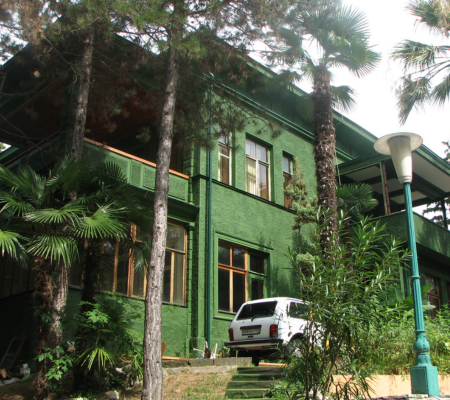
Stalin maintained a network of state residences across the Soviet Union. His main home was the Kuntsevo dacha near Moscow, but he also used several others around the capital, as well as holiday residences in Sochi, Valday and Abkhazia. In total, around twenty dachas were built for his use, many on the Black Sea coast. These were not simple country houses but large, well-appointed estates. The Kuntsevo complex included guest accommodation, extensive grounds and multiple security layers, with guarded perimeters and controlled access. While scarcity defined everyday life for Soviet citizens, Stalin’s residences were spacious, permanently staffed and reliably supplied.


Food and banquets:

Lavish dinners and banquets continued at Stalin’s residences throughout the early 1930s, including during the Holodomor (1932-33), when an estimated 3.9 million people died of starvation in Ukraine.

Meals were often taken late at night and could stretch on for hours, particularly when senior officials were present. Eating and drinking formed part of a wider ritual of power. Guests were required to drink heavily, remain alert and display deference. Food and alcohol functioned not simply as pleasure, but as instruments of control.


Cinema:  

Every one of Stalin’s residences contained a private cinema. Late-night screenings became routine and the senior ministers who were invited were obliged to attend if they wanted to remain in favour and survive. Members of the Politburo were required to sit through films that could stretch into the early hours, regardless of exhaustion or the following day’s work. The film nights for these ministers were not leisure but enforced proximity. Staying awake was a survival skill.

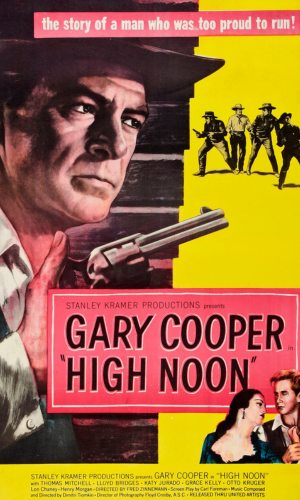
Stalin enjoyed American films which were unavailable to the public and indeed  prohibited and officially disapproved of.  Stalin particularly liked Westerns and other films built around lone, dominant heroes such as Tarzan the Ape Man. Overt sexuality made him uncomfortable. Extended kissing scenes reportedly irritated him and were discouraged or cut.

Stalin regarded the outspokenly anti-Communist Hollywood actor John Wayne as a political threat and at one point considered having him assassinated. The plan was never carried out and was abandoned after Stalin’s death.

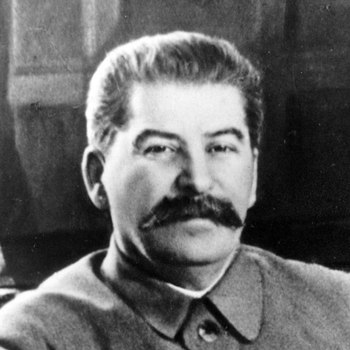
Joseph Stalin, 1950
Kuntsevo dacha
Stalin particularly liked Hollywood Westerns such as ‘High Noon’

Soviet secret service chiefs

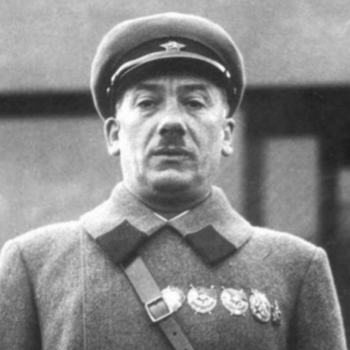
Genrikh Yagoda 

Head of the NKVD 1934-1936

French wines, sex toys and bullets:

Genrikh Yagoda combined responsibility for mass forced labour with extreme private luxury. He had a taste for French wines and sex toys. He boasted that his huge dacha bloomed with “2,000 orchids and roses” and spent almost four million roubles decorating his residences – equivalent to more than a thousand years of an average Soviet worker’s wages.

Genrikh Yagoda treasured a couple of bullets that had been used to execute two of the most important leaders of the Soviet Union. They were marked “Zinoviev” and “Kamenev”. He kept them at home, alongside his collection of erotica and ladies’ stockings.

Genrikh Yagoda, 1936

Nikolai Yezhov

Head of the NKVD 1936-1938

Debauchery:

Nikolai Yezhov organised Stalin’s Great Terror in which around 700,000 people were executed. Contemporary accounts describe a private life marked by heavy drinking and organised sexual abuse. Yezhov hosted drunken sexual orgies in his Kremlin apartment, inviting drinking companions and homosexual lovers from his youth, alongside others drawn into the gatherings. There is testimony to scenes of extreme degradation. Yezhov himself later referred to indulging in what he called “the most perverted forms of debauchery”.


Sexual coercion:

Witnesses described coercion and public sexual assault carried out in front of others. One testified that Yezhov forced his genitals into his mouth; another described the deliberate humiliation and assault of a woman brought to one of these gatherings. These acts of domination, as well as sex, were carried out with the assurance that he could act with complete impunity.

Nikolai Yezhov, during the Great Purge, 1938

Lavrentiy Beria 

Head of the NKVD 1938-1953

Coercive sex:

Beria maintained a private life characterised by extreme sexual abuse and coercion. He used his position to obtain women and girls through force and intimidation. He is reported to have cruised the streets of Moscow in his limousine in search of women and girls. They were then delivered to his Kachalov Street townhouse, where he would ply them with wine containing a sleeping potion before raping them. Resistance could result in arrest. He used state power to enable his sexual violence.

Several victims were identified in evidence gathered during the Soviet investigation into Beria after his arrest in 1953, as well as in later memoirs and testimonies by victims. Zoya Fyodorova, a prominent actress, was seized by the secret police while still breastfeeding her child, taken to Beria’s house and later arrested. Tatyana Okunevskaya, also a well-known actress, was lured under false pretences, raped after threats were made against her family and subsequently imprisoned.

An inventory compiled after Beria’s arrest revealed torture implements, pornography, sex toys and an extensive collection of women’s clothing including silk stockings, corsets, nightwear, scarves and costumes. He also had piles of explicit correspondence.

Later excavations at the site of Beria’s former Moscow residence during renovation work in the 1990s and early 2000s uncovered human skeletal remains of several young women buried in the garden.

Leisure and property:

Beria enjoyed a private box at the Dynamo football stadium and designed his own dacha.

Lavrenti Beria, c. 1939.

Fidel Castro

Cuban dictator 1959-2008

Sex:

Castro, widely known as “El Caballo” (“the horse”), devoted extraordinary time and attention to his sexual relationships. His former bodyguard, Juan Reinaldo Sánchez, recalled a steady succession of women and a private life carefully concealed from the Cuban public. 

He had two wives and was unfaithful to both of them. It is thought that he fathered as many as 11 children and, among others, he bedded his English interpreter, his French interpreter and the Cuban airline stewardess who accompanied him on foreign trips.


Food:  

Castro enjoyed uninterrupted access to food unavailable to most citizens. His main residence, Punto Cero, doubled as a private agricultural estate. The former golf-course estate included orchards, cattle and six greenhouses, maintained to supply his household exclusively. According to his former bodyguard, even the milk was tailored to individual preference, with different cows assigned to different family members.

Meals were prepared by personal chefs and served as if in a restaurant, à la carte. Each evening, individual menus were drawn up for the following day, tailored to the tastes, habits and preferences of each family member.


Cigars:

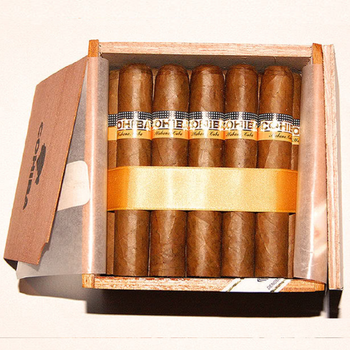
Castro’s cigars were originally manufactured exclusively for him and his inner circle. These cigars were unavailable to the public and produced under strict security. They were made at the El Laguito factory in Havana.

In 1966, the cigars began to be produced under the brand name Cohiba. The brand was created specifically for Fidel Castro, for other leaders in Cuba and for use as gifts to visiting foreign leaders and senior officials. For many years, Cohiba cigars were not sold commercially. They were finally made available for international sale in 1982, when Cuba began exporting them as a luxury cigar brand.
 

Luxury property:

Castro denied owning property but the state owned a great deal of property to which he had permanent and exclusive access. In addition to the agricultural estate, Punto Cero, he had exclusive use of countryside retreats and island residences for leisure, fishing and hunting. These locations were fully staffed and supplied through state channels, with surrounding areas often restricted or cleared for his personal privacy.


Private yachts: 

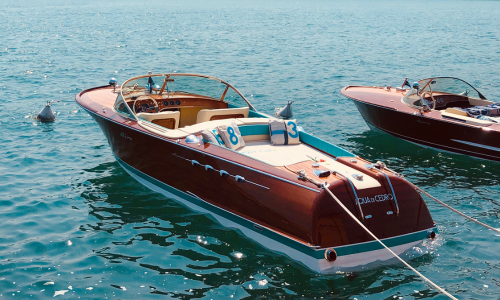
Castro had exclusive use of private yachts and speedboats. One was a Riva Aquarama, a legendary Italian speedboat famous for its luxurious mahogany and beauty. It was known as “the Ferrari of the sea”. One of them was driven by Piers Brosnan in the James Bond film, Goldeneye. His yachts and speedboats were crewed and maintained by state employees.
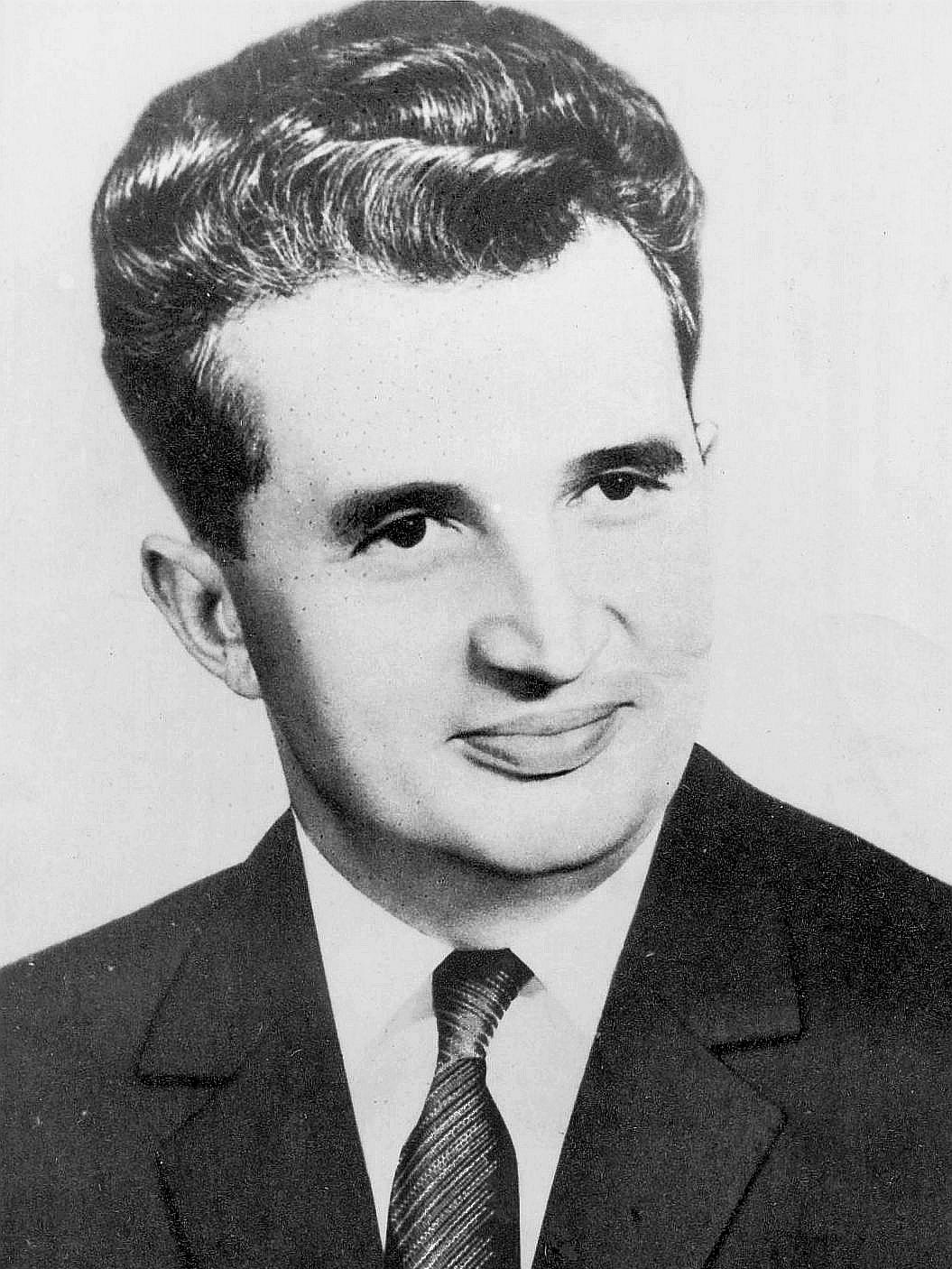
Fidel Castro in the early 1950s.
Cohiba Cigar
Riva Aquarama

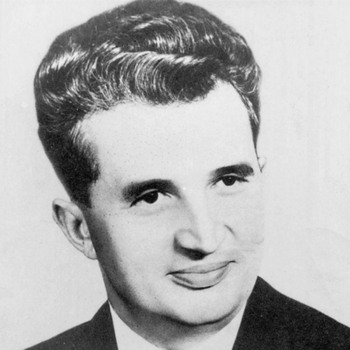
Nicolae Ceaușescu

Communist ruler of Romania 1965-1989

Palaces:

One palace was not enough for Ceaușescu. He had a network of palaces, villas and secured residences. His private home in Bucharest was the Palatul Primăverii which featured crystal chandeliers, silk wall-coverings, Persian carpets, bespoke fittings and a gold-domed bathroom.

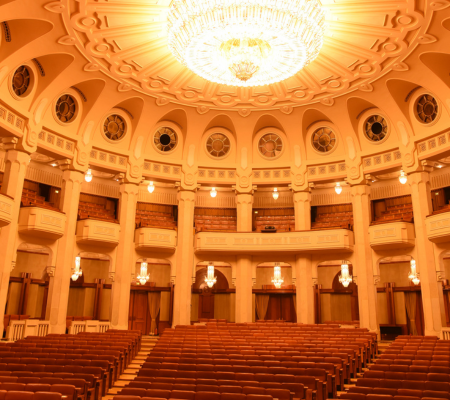
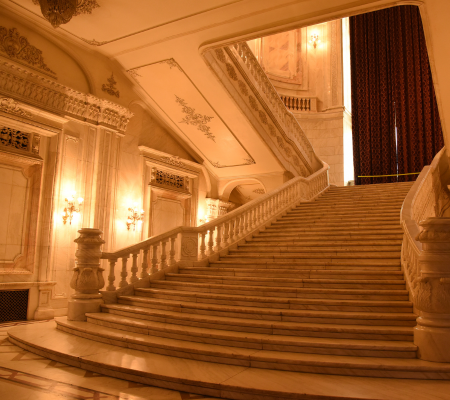
His greatest, vainest self-indulgence was the Palace of the Parliament. It was to be the largest palace ever built — bigger than the Palace of Versailles — with approximately 1,100 rooms, constructed using over one million cubic metres of marble and some 3,500 tonnes of crystal. He demanded it should be extremely grand with abundant marble and chandeliers.

It was intended as a symbol of his absolute authority. To build it, roughly one-fifth of Bucharest was bulldozed. Large areas of the city centre were demolished and tens of thousands of people were forced from their homes. Residents were relocated to high-rise apartment blocks, losing well-established communities. In some cases, they were given as little as six hours’ notice before the bulldozers moved in.


Hunting made easy:

Ceaușescu enjoyed exclusive access to carefully managed hunting estates. His hunts were prepared in advance, with animals baited and often heavily fed to make them predictable and easier targets. Ceaușescu was flown in by helicopter and taken close to the site. Assisted by staff who carried his weapons and prepared the hunt, he had little need for skill or patience.

Teams of beaters then drove them towards his firing position, eliminating effort, risk or uncertainty. Targets were chosen for size and spectacle, especially brown bears, red deer and wild boar. Brown bears — officially a protected species — were reserved almost exclusively for his use, with few others permitted to hunt them.


Ceaușescu’s heir:

Ceaușescu’s son, Nicu, was notorious for his alcoholism, violence and sexual abuse. Often fuelled by whisky, he used banquets as stages for humiliating others, forcing senior officials to endure public degradation.

At one gathering, he reportedly poured whisky over a minister’s head, urinated onto a platter of oysters and attempted to rape a waitress in front of guests. The security services cleaned up afterwards. Stories circulated that he kept women’s underwear as trophies. Power meant entitlement and his cruelty carried no consequences.

Nicolae Ceaușescu, 1965.
Interior of the Palace of the Parliament

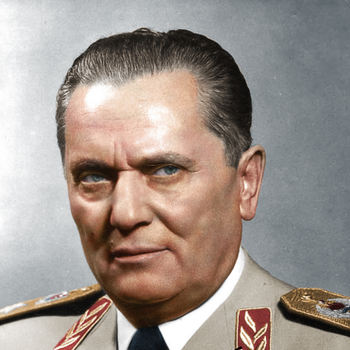
Josip Broz Tito

Communist leader of Yugoslavia 1945-1980

State residences and palaces:

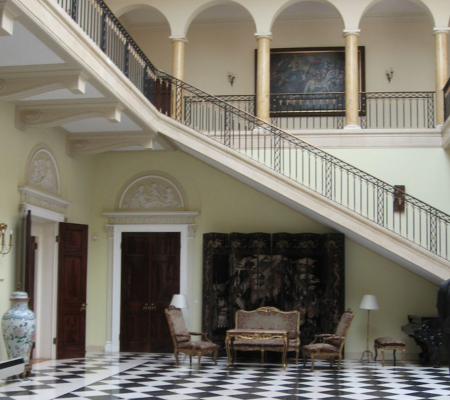
Tito had access to more than thirty state-owned residences across Yugoslavia including palaces, villas, castles, hunting lodges and mountain retreats. These properties were guarded, staffed, maintained at public expense. In Belgrade, he occupied former royal properties confiscated from the Karađorđević dynasty including the White Palace (Beli dvor).


Luxurious private islands:

Tito enjoyed the Brijuni islands off Croatia’s north-west coast as a restricted presidential domain for roughly the final three decades of his life. These islands were closed to the public and used for Tito’s extended personal stays, diplomatic meetings and entertaining celebrities. Facilities included multiple villas, landscaped gardens, private beaches, cinemas, gyms, swimming pools and saunas. A safari park was created using exotic animals donated by foreign leaders including elephants from India. His private use of islands is reminiscent of various rich men such as Sir Richard Branson except that whereas Branson got his island through enterprise, Tito got his islands through dictatorial rule achieved on the back of telling people he was a communist.


Kupari resort:

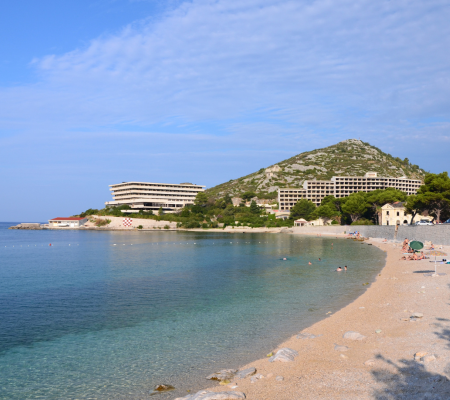
In the 1960s, Tito ordered the construction of a vast holiday complex at Kupari near Dubrovnik. Officially reserved for the Yugoslav military, access to the resort depended on rank within the government. Tito built private seaside villas nearby overlooking the Adriatic Sea where he entertained VIP guests including Richard Burton and Elizabeth Taylor.


Luxury train:

Tito possessed a purpose-built luxury presidential train known as the Blue Train. It contained sleeping compartments, dining cars, lounges and conference rooms. It functioned as a mobile presidential palace used for domestic travel and diplomatic display.


Presidential yacht:

Tito used the Italian-built ship Galeb as his presidential yacht. It was used for diplomatic voyages, entertaining and high-profile visits including travel to Britain for talks with Winston Churchill. The ship is now preserved in a museum in Rijeka.

Josip Broz Tito, 1959
White Palace (Beli dvor) on the Dedinje estate in Belgrade
Kupari resort

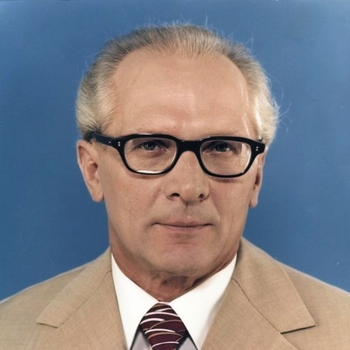
Erich Honecker

Leader of the GDR (East Germany) 1971-1989

Luxury compound:

Erich Honecker lived in “the Golden Ghetto”, a secluded forest compound at Wandlitz, thirty kilometres north of Berlin. Inside, Honecker and the Politburo had access to facilities unavailable to ordinary citizens: private shops stocked with Western goods, a medical clinic, cinema, swimming pool, saunas and spas, and a restaurant.

East Germans joked bitterly about the settlement and also called it “Volvograd” because the leadership drove Western Volvo cars – not for them the East Germany-made, two-stroke Trabants that were notoriously cramped and slow.


Cars:

Honecker travelled in a fleet of official limousines and other vehicles reserved for the political elite, they included a customised Range Rover used on organised hunting trips on restricted estates closed to the public.


Secret holiday island:

After the collapse of the regime in 1989, investigators discovered that Honecker and other Politburo members had a number of extra benefits including a luxury holiday villa on the Baltic island of Vilm which was previously believed to be an uninhabited nature reserve.

Erich Honecker, 1976.

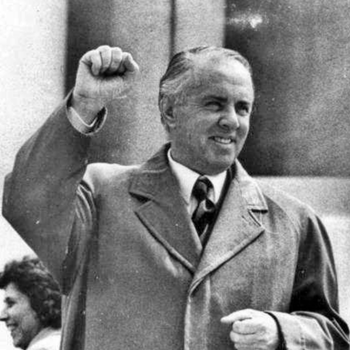
Enver Hoxha

Communist dictator of Albania 1944-1985

Blloku – the forbidden district:

Hoxha lived in Blloku, a tightly guarded district in central Tirana reserved exclusively for the communist leadership. Ordinary Albanians were forbidden from entering. Armed guards controlled the entrances and the neighbourhood did not appear on public maps.

The area was made up of prime properties, many confiscated from their original owners with no compensation.

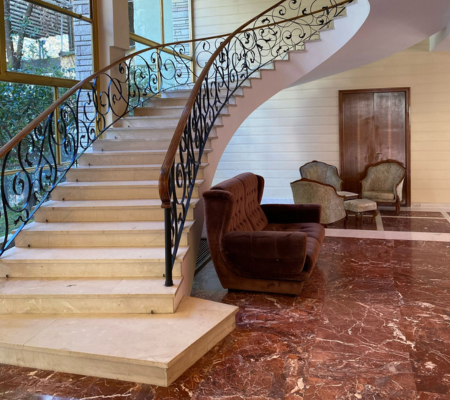
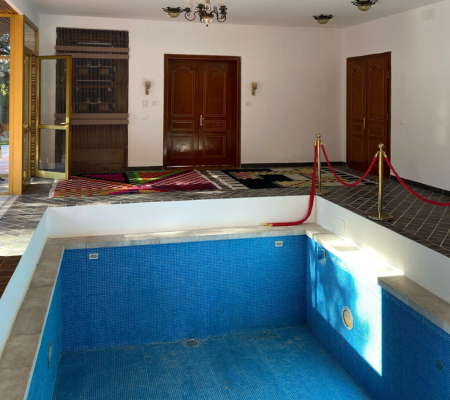
Inside stood the villas of the ruling elite, including Hoxha’s residence, Vila 31. The house contained marble floors, designer interiors, a private cinema and an indoor swimming pool. The villa sat within landscaped gardens and was protected by heavy security.


Exclusive leisure and properties:

Life inside Blloku offered comforts unavailable to the wider population. A central hub of elite life was the “Party House”, an exclusive club used only by the communist leadership. The building contained lounges, a billiards hall and a private cinema where films banned to the public were screened.

Residents had access to imported goods, Western clothing and foreign media, while ordinary Albanians could face punishment for listening to foreign broadcasts. They were supported by housekeeping staff and shopped in special stores stocked with goods unavailable elsewhere in the country. Food was often sourced from abroad and available in abundance.

Hoxha spent the winters in Tirana and the summers in his villa in Pogradec. Members of the Politburo also had access to country villas. 


Personal chef and controlled diet:

Hoxha suffered from serious health problems in later life, including diabetes, and required a controlled diet. His meals were prepared by a private chef and adapted to his condition, including modified versions of traditional desserts. During Albania’s close alignment with the Soviet Union, he also received medical care from Soviet personnel. He was also a heavy smoker, reportedly consuming up to 50–60 cigarettes a day.

He enjoyed further personal luxuries. His suits were custom made in France and sent every year, as were his books. He had around 20,000 and, unlike his citizens, he was able to read whatever he wanted. He was also transported around in a Mercedes-Benz, at a time when there were only around 1,265 cars in the entire country, none of them in private hands

Enver Hoxha at the Congress of Përmet, 1944.
Vila 31 interior
Blloku swimming pool

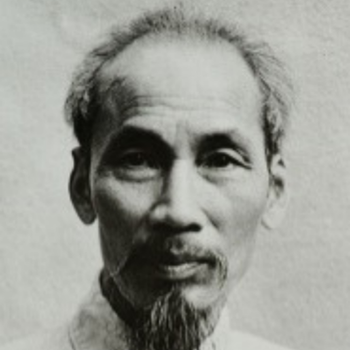
Ho Chi Minh

Leader of Vietnam 1945-1969

Ho Chi Minh may or may not have been an exception to the rule that powerful communist leaders gave themselves whatever luxuries they desired. We just don’t know.

His personal story has remained untold because the party he founded continues to be in power and has not allowed any investigation or revelation that might tarnish his image.

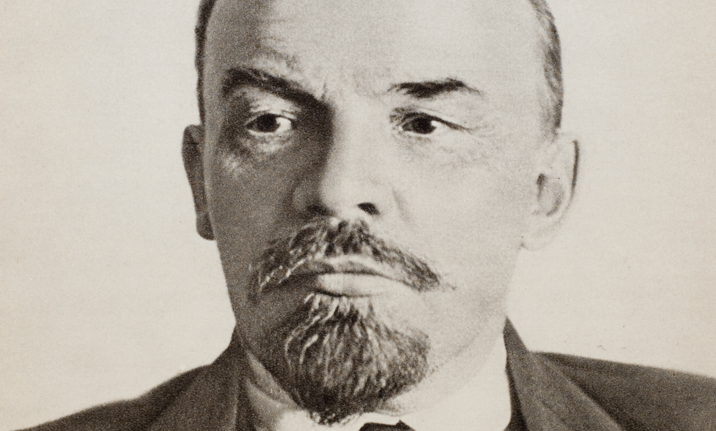
Ho Chi Minh
Communist leaders typically criticised property, wealth and privilege. But when they became powerful most of them acquired these things in abundance. Many of them used their power to exploit other people ruthlessly, sometimes cruelly.    

Mao Zedong 

Chairman of the Chinese Communist Party 1949-1976.

Mao Zedong, 1950.

Sex:

Mao used his power to obtain extreme sexual privilege. He had a harem – an array of young women who were recruited for his gratification. Members of his staff were employed to identify and procure suitable young concubines. These were often uneducated, young women drawn from the ranks of dancers, nurses and junior cadres.

His personal physician, Li Zhisui, later claimed that Mao suffered from a venereal disease, probably a form of trichomoniasis. According to Li, the infection remained largely asymptomatic in him but for women, the infection could lead to discomfort, including lower abdominal pain and painful urination. It could result in infertility if untreated. The doctor urged Mao to wash so as to reduce the chances of passing the disease onto them. Mao refused, saying, “I wash in my women”.

Mao’s sexual activity was not confined to women. According to Li Zhisui, Mao also made use of adult male attendants selected for their physical strength and appearance. Their duties included nightly massages intended to help Mao sleep, with particular attention paid to the groin area. 

Mao travelled everywhere with a custom-made wooden bed “to maintain what he saw as proper posture dominance and bodily control” when having sex of a kind which delayed orgasm. He thought this would increase his lifespan.  He routinely withdrew from official duties to “rest” – to have sex – including in a private room inside the Great Hall of the People, the main government offices in Beijing.

Mao surrounded by young females in the Communist Youth League, 1957.

Food:

Tens of millions suffered chronic food shortages during Mao’s rule. In the Great Famine (1958-1962), an estimated 36 to 46 million people people died of starvation. Meanwhile, Mao ate plentiful fresh meat and rich dishes. Meals were prepared by personal chefs and supplied through protected channels, entirely separate from the national rationing system. One species of fish which he liked – Wuchang bream – was couriered alive from Wuhan, more than 1,000 kilometres away, in oxygenated containers. Mao also demanded specially processed rice. The membrane between the husk and the kernel was preserved to improve the flavour. This was a labour-intensive process requiring careful manual husking. A dedicated farm existed solely to grow and prepare rice for Mao.


Clothing:

Mao appeared in public in a “Mao-suit” – a kind of boiler suit in plain green. But underneath, he wore silk underwear. 


Housing:

Over the course of his twenty-seven-year rule, more than fifty residences were created for his use, including at least five in Beijing. Mao feared being trapped upstairs and insisted on single-storey buildings but the ceiling heights were equivalent to two or even three storeys.


Swimming pools:

Private swimming pools were another of Mao’s personal indulgences. Mao was obsessed with swimming and believed it strengthened his health and vitality. As a result, swimming pools were constructed at a number of his residences so that he could swim whenever he wished.

One such pool reportedly cost 50,000 yuan to build. This was an enormous sum at the time. During Mao’s anti-corruption campaigns, embezzling as little as 10,000 yuan could lead to execution as a so-called “Big Tiger”. Mao’s pool therefore cost five times the amount of money that could bring a death sentence.

The expense was partly due to the specialised construction required. The pool had to be large enough for Mao to swim laps and heated so that he could swim in any season. The pools were constantly maintained by staff to ensure the water remained clean. Mao’s private pools were kept ready for his use at all times.


Transport:

When Mao travelled by train, the entire railway line was cleared. No other trains were allowed to use the route at the same time. Mao travelled in specially prepared trains consisting of several carriages reserved exclusively for him and his entourage. These included a private sleeping carriage, a meeting room, a dining car and accommodation for staff and guards. The train was heavily guarded and inspected in advance. Tracks, bridges and tunnels were checked beforehand by security teams and railway workers were stationed along the line while the train passed.

Mao did not rely on only a single form of transport. For many journeys, three parallel options were prepared — train, plane and ship — and Mao would decide at the last moment which one to use. Large teams of guards, servants and aides managed the arrangements.


Hidden wealth:

Mao had a “Special Account” at the People’s Bank in Beijing. It was a private fund built up with royalties from his published works. Mao’s works were, of course, virtually compulsory for all citizens to buy.  So, by the height of his rule, the account held more than two million yuan — an extraordinary sum in a society where even privileged citizens rarely possessed savings beyond a few hundred yuan.

As background it is worth recalling that Mao launched the so-called Cultural Revolution (1966-1976) in which luxuries were considered “bourgeois” and could result in public beatings and humiliation.

Joseph Stalin

Communist ruler of the Soviet Union 1924-1953.

Joseph Stalin, 1950

Dachas and other homes:

Stalin maintained a network of state residences across the Soviet Union. His main home was the Kuntsevo dacha near Moscow, but he also used several others around the capital, as well as holiday residences in Sochi, Valday and Abkhazia. In total, around twenty dachas were built for his use, many on the Black Sea coast. These were not simple country houses but large, well-appointed estates. The Kuntsevo complex included guest accommodation, extensive grounds and multiple security layers, with guarded perimeters and controlled access. While scarcity defined everyday life for Soviet citizens, Stalin’s residences were spacious, permanently staffed and reliably supplied.

Food and banquets:

Lavish dinners and banquets continued at Stalin’s residences throughout the early 1930s, including during the Holodomor (1932-33), when an estimated 3.9 million people died of starvation in Ukraine.

Meals were often taken late at night and could stretch on for hours, particularly when senior officials were present. Eating and drinking formed part of a wider ritual of power. Guests were required to drink heavily, remain alert and display deference. Food and alcohol functioned not simply as pleasure, but as instruments of control.

Kuntsevo dacha

Food and banquets:

Lavish dinners and banquets continued at Stalin’s residences throughout the early 1930s, including during the Holodomor (1932-33), when an estimated 3.9 million people died of starvation in Ukraine.

Meals were often taken late at night and could stretch on for hours, particularly when senior officials were present. Eating and drinking formed part of a wider ritual of power. Guests were required to drink heavily, remain alert and display deference. Food and alcohol functioned not simply as pleasure, but as instruments of control.

Cinema:  

Every one of Stalin’s residences contained a private cinema. Late-night screenings became routine and the senior ministers who were invited were obliged to attend if they wanted to remain in favour and survive. Members of the Politburo were required to sit through films that could stretch into the early hours, regardless of exhaustion or the following day’s work. The film nights for these ministers were not leisure but enforced proximity. Staying awake was a survival skill.

Stalin enjoyed American films which were unavailable to the public and indeed  prohibited and officially disapproved of.  Stalin particularly liked Westerns and other films built around lone, dominant heroes such as Tarzan the Ape Man. Overt sexuality made him uncomfortable. Extended kissing scenes reportedly irritated him and were discouraged or cut.

Stalin regarded the outspokenly anti-Communist Hollywood actor John Wayne as a political threat and at one point considered having him assassinated. The plan was never carried out and was abandoned after Stalin’s death.

Stalin particularly liked Hollywood Westerns such as ‘High Noon’
 

Soviet secret service chiefs

Genrikh Yagoda

CHead of the NKVD 1934-1936

Genrikh Yagoda, 1936

French wines, sex toys and bullets:

Genrikh Yagoda combined responsibility for mass forced labour with extreme private luxury. He had a taste for French wines and sex toys. He boasted that his huge dacha bloomed with “2,000 orchids and roses” and spent almost four million roubles decorating his residences – equivalent to more than a thousand years of an average Soviet worker’s wages.

Genrikh Yagoda treasured a couple of bullets that had been used to execute two of the most important leaders of the Soviet Union. They were marked “Zinoviev” and “Kamenev”. He kept them at home, alongside his collection of erotica and ladies’ stockings.

Nikolai Yezhov

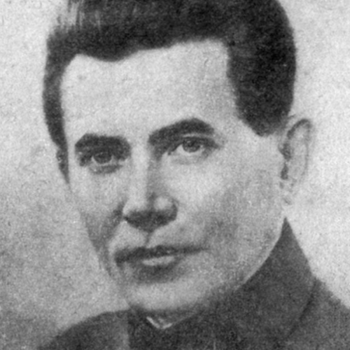
Head of the NKVD 1936-1938

Nikolai Yezhov, during the Great Purge, 1938

Debauchery:

Nikolai Yezhov organised Stalin’s Great Terror in which around 700,000 people were executed. Contemporary accounts describe a private life marked by heavy drinking and organised sexual abuse. Yezhov hosted drunken sexual orgies in his Kremlin apartment, inviting drinking companions and homosexual lovers from his youth, alongside others drawn into the gatherings. There is testimony to scenes of extreme degradation. Yezhov himself later referred to indulging in what he called “the most perverted forms of debauchery”.

Sexual coercion:

Witnesses described coercion and public sexual assault carried out in front of others. One testified that Yezhov forced his genitals into his mouth; another described the deliberate humiliation and assault of a woman brought to one of these gatherings. These acts of domination, as well as sex, were carried out with the assurance that he could act with complete impunity.

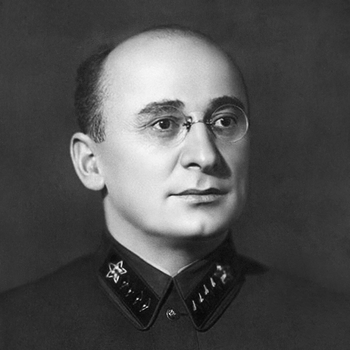
Lavrentiy Beria

Head of the NKVD 1938-1953

Lavrenti Beria, c. 1939.

Coercive sex:

Beria maintained a private life characterised by extreme sexual abuse and coercion. He used his position to obtain women and girls through force and intimidation. He is reported to have cruised the streets of Moscow in his limousine in search of women and girls. They were then delivered to his Kachalov Street townhouse, where he would ply them with wine containing a sleeping potion before raping them. Resistance could result in arrest. He used state power to enable his sexual violence.

Several victims were identified in evidence gathered during the Soviet investigation into Beria after his arrest in 1953, as well as in later memoirs and testimonies by victims. Zoya Fyodorova, a prominent actress, was seized by the secret police while still breastfeeding her child, taken to Beria’s house and later arrested. Tatyana Okunevskaya, also a well-known actress, was lured under false pretences, raped after threats were made against her family and subsequently imprisoned.

An inventory compiled after Beria’s arrest revealed torture implements, pornography, sex toys and an extensive collection of women’s clothing including silk stockings, corsets, nightwear, scarves and costumes. He also had piles of explicit correspondence.

Later excavations at the site of Beria’s former Moscow residence during renovation work in the 1990s and early 2000s uncovered human skeletal remains of several young women buried in the garden.

Leisure and property:

Beria enjoyed a private box at the Dynamo football stadium and designed his own dacha.

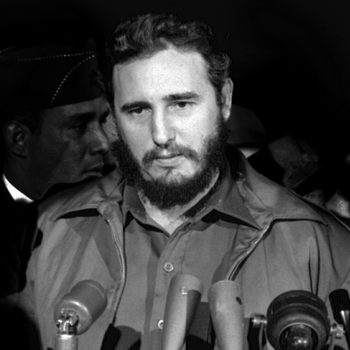
Fidel Castro 

Cuban dictator 1959-2008.

Fidel Castro in the early 1950s.

Sex:

Castro, widely known as “El Caballo” (“the horse”), devoted extraordinary time and attention to his sexual relationships. His former bodyguard, Juan Reinaldo Sánchez, recalled a steady succession of women and a private life carefully concealed from the Cuban public. 

He had two wives and was unfaithful to both of them. It is thought that he fathered as many as 11 children and, among others, he bedded his English interpreter, his French interpreter and the Cuban airline stewardess who accompanied him on foreign trips.

Food:  

Castro enjoyed uninterrupted access to food unavailable to most citizens. His main residence, Punto Cero, doubled as a private agricultural estate. The former golf-course estate included orchards, cattle and six greenhouses, maintained to supply his household exclusively. According to his former bodyguard, even the milk was tailored to individual preference, with different cows assigned to different family members.

Meals were prepared by personal chefs and served as if in a restaurant, à la carte. Each evening, individual menus were drawn up for the following day, tailored to the tastes, habits and preferences of each family member.


Cigars:

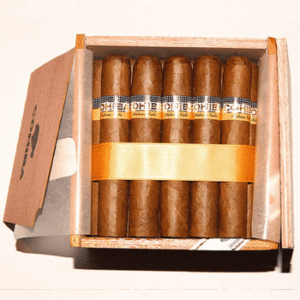
Castro’s cigars were originally manufactured exclusively for him and his inner circle. These cigars were unavailable to the public and produced under strict security. They were made at the El Laguito factory in Havana.

In 1966, the cigars began to be produced under the brand name Cohiba. The brand was created specifically for Fidel Castro, for other leaders in Cuba and for use as gifts to visiting foreign leaders and senior officials. For many years, Cohiba cigars were not sold commercially. They were finally made available for international sale in 1982, when Cuba began exporting them as a luxury cigar brand.

Cohiba Cigars


Luxury property:

Castro denied owning property but the state owned a great deal of property to which he had permanent and exclusive access. In addition to the agricultural estate, Punto Cero, he had exclusive use of countryside retreats and island residences for leisure, fishing and hunting. These locations were fully staffed and supplied through state channels, with surrounding areas often restricted or cleared for his personal privacy.

Private yachts: 

Castro had exclusive use of private yachts and speedboats. One was a Riva Aquarama, a legendary Italian speedboat famous for its luxurious mahogany and beauty,. It was known as “the Ferrari of the sea”. One of them was driven by Piers Brosnan in the James Bond film, Goldeneye. His yachts and speedboats were crewed and maintained by state employees.

Riva Aquarama

Nicolae Ceaușescu

Communist ruler of Romania 1965-1989

Nicolae Ceaușescu, 1965. 

Palaces:

One palace was not enough for Ceaușescu. He had a network of palaces, villas and secured residences. His private home in Bucharest was the Palatul Primăverii which featured crystal chandeliers, silk wall-coverings, Persian carpets, bespoke fittings and a gold-domed bathroom.

His greatest, vainest self-indulgence was the Palace of the Parliament. It was to be the largest palace ever built — bigger than the Palace of Versailles — with approximately 1,100 rooms, constructed using over one million cubic metres of marble and some 3,500 tonnes of crystal. He demanded it should be extremely grand with abundant marble and chandeliers.

It was intended as a symbol of his absolute authority. To build it, roughly one-fifth of Bucharest was bulldozed. Large areas of the city centre were demolished and tens of thousands of people were forced from their homes. Residents were relocated to high-rise apartment blocks, losing well-established communities. In some cases, they were given as little as six hours’ notice before the bulldozers moved in.

Interior of the Palace of the Parliament

Interior of the Palace of the Parliament
 

Hunting made easy:

Ceaușescu enjoyed exclusive access to carefully managed hunting estates. His hunts were prepared in advance, with animals baited and often heavily fed to make them predictable and easier targets. Ceaușescu was flown in by helicopter and taken close to the site. Assisted by staff who carried his weapons and prepared the hunt, he had little need for skill or patience.

Teams of beaters then drove them towards his firing position, eliminating effort, risk or uncertainty. Targets were chosen for size and spectacle, especially brown bears, red deer and wild boar. Brown bears — officially a protected species — were reserved almost exclusively for his use, with few others permitted to hunt them.

Ceaușescu’s heir:

Ceaușescu’s son, Nicu, was notorious for his alcoholism, violence and sexual abuse. Often fuelled by whisky, he used banquets as stages for humiliating others, forcing senior officials to endure public degradation.

At one gathering, he reportedly poured whiskey over a minister’s head, urinated onto a platter of oysters and attempted to rape a waitress in front of guests. The security services cleaned up afterwards. Stories circulated that he kept women’s underwear as trophies. Power meant entitlement and his cruelty carried no consequences.

Josip Broz Tito

Communist leader of Yugoslavia 1945-1980

Josip Broz Tito, 1961
 

State residences and palaces:

Tito had access to more than thirty state-owned residences across Yugoslavia including palaces, villas, castles, hunting lodges and mountain retreats. These properties were guarded, staffed, maintained at public expense. In Belgrade, he occupied former royal properties confiscated from the Karađorđević dynasty including the White Palace (Beli dvor).

White Palace (Beli dvor) on the Dedinje estate in Belgrade


Luxurious private islands:

Tito enjoyed the Brijuni islands off Croatia’s north-west coast as a restricted presidential domain for roughly the final three decades of his life. These islands were closed to the public and used for Tito’s extended personal stays, diplomatic meetings and entertaining celebrities. Facilities included multiple villas, landscaped gardens, private beaches, cinemas, gyms, swimming pools and saunas. A safari park was created using exotic animals donated by foreign leaders including elephants from India. His private use of islands is reminiscent of various rich men such as Sir Richard Branson except that whereas Branson got his island through enterprise, Tito got his islands through dictatorial rule achieved on the back of telling people he was a communist.

Kupari resort:

In the 1960s, Tito ordered the construction of a vast holiday complex at Kupari near Dubrovnik. Officially reserved for the Yugoslav military, access to the resort depended on rank within the government. Tito built private seaside villas nearby overlooking the Adriatic Sea where he entertained VIP guests including Richard Burton and Elizabeth Taylor.


Luxury train:

Tito possessed a purpose-built luxury presidential train known as the Blue Train. It contained sleeping compartments, dining cars, lounges and conference rooms. It functioned as a mobile presidential palace used for domestic travel and diplomatic display.


Presidential yacht:

Tito used the Italian-built ship Galeb as his presidential yacht. It was used for diplomatic voyages, entertaining and high-profile visits including travel to Britain for talks with Winston Churchill. The ship is now preserved in a museum in Rijeka.

Kupari resort

Erich Honecker

Leader of the GDR (East Germany) 1971-1989

Erich Honecker, 1976.
 

Luxury compound:

Erich Honecker lived in “the Golden Ghetto”, a secluded forest compound at Wandlitz, thirty kilometres north of Berlin. Inside, Honecker and the Politburo had access to facilities unavailable to ordinary citizens: private shops stocked with Western goods, a medical clinic, cinema, swimming pool, saunas and spas, and a restaurant.

East Germans joked bitterly about the settlement and also called it “Volvograd” because the leadership drove Western Volvo cars – not for them the East Germany-made, two-stroke Trabants that were notoriously cramped and slow.


Cars:

Honecker travelled in a fleet of official limousines and other vehicles reserved for the political elite, they included a customised Range Rover used on organised hunting trips on restricted estates closed to the public.


Secret holiday island:

After the collapse of the regime in 1989, investigators discovered that Honecker and other Politburo members had a number of extra benefits including a luxury holiday villa on the Baltic island of Vilm which was previously believed to be an uninhabited nature reserve.

Enver Hoxha

Communist dictator of Albania 1944-1985

Enver Hoxha at the Congress of Përmet, 1944
 

Blloku – the forbidden district:

Hoxha lived in Blloku, a tightly guarded district in central Tirana reserved exclusively for the communist leadership. Ordinary Albanians were forbidden from entering. Armed guards controlled the entrances and the neighbourhood did not appear on public maps.

The area was made up of prime properties, many confiscated from their original owners with no compensation offered and repurposed for the regime’s elite.

Inside stood the villas of the ruling elite, including Hoxha’s residence, Vila 31. The house contained marble floors, designer interiors, a private cinema and an indoor swimming pool. The villa sat within landscaped gardens and was protected by heavy security.

Vila 31 interior

Blloku swimming pool

Exclusive leisure and controlled living:

Life inside Blloku offered comforts unavailable to the wider population. A central hub of elite life was the “Party House”, an exclusive club used only by the communist leadership. The building contained lounges, a billiards hall and a private cinema where films banned to the public were screened.

Residents had access to imported goods, Western clothing and foreign media, while ordinary Albanians could face punishment for listening to foreign broadcasts. They were supported by housekeeping staff and shopped in special stores stocked with goods unavailable elsewhere in the country. Food was often sourced from abroad and available in abundance.

Hoxha spent the winters in Tirana and the summers in his villa in Pogradec. Members of the Politburo also had access to country villas. 

Personal chef and controlled diet:

Hoxha suffered from serious health problems in later life, including diabetes, and required a controlled diet. His meals were prepared by a private chef and adapted to his condition, including modified versions of traditional desserts. During Albania’s close alignment with the Soviet Union, he also received medical care from Soviet personnel. He was also a heavy smoker, reportedly consuming up to 50–60 cigarettes a day.

He enjoyed further personal luxuries. His suits were custom made in France and sent every year, as were his books. He had around 20,000 and, unlike his citizens, he was able to read whatever he wanted. He was also transported around in a Mercedes-Benz, at a time when there were only around 1,265 cars in the entire country, none of them in private hands

Ho Chi Minh

Leader of Vietnam 1945-1969

Ho Chi Minh
 

Ho Chi Minh may or may not have been an exception to the rule that powerful communist leaders gave themselves whatever luxuries they desired. We just don’t know.

His personal story has remained untold because the party he founded continues to be in power and has not allowed any investigation or revelation that might tarnish his image.
More Articles